How to Quote Jobs Faster as a Tradie | revday
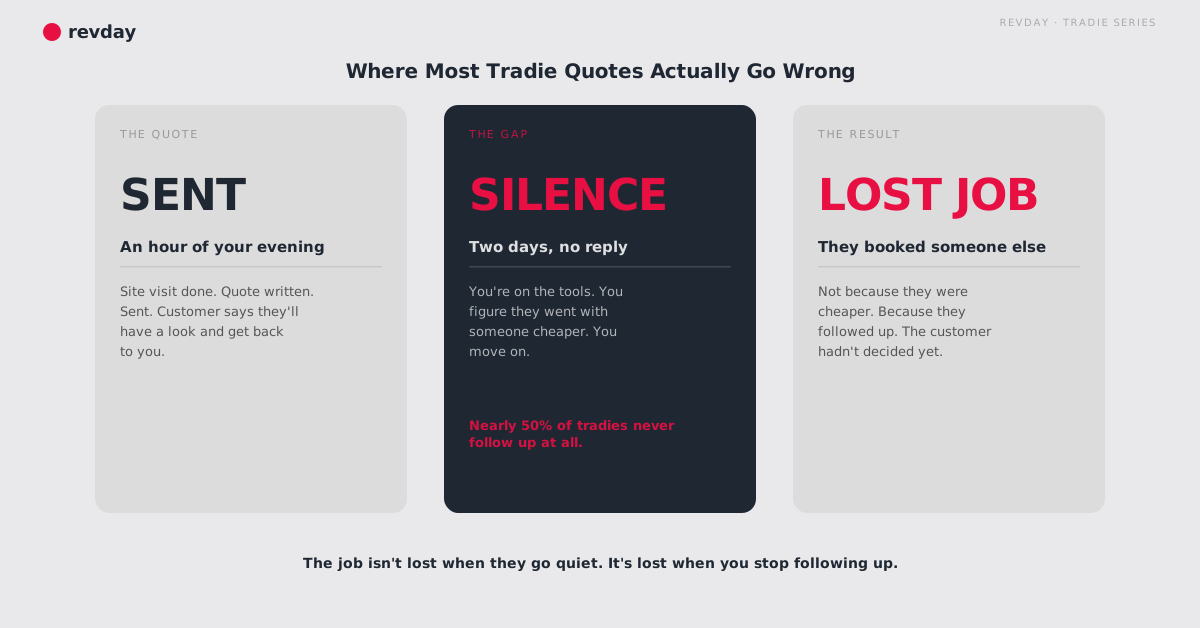
You spend an hour doing the site visit. Another hour putting together a detailed, accurate quote. You send it. The customer says they'll have a look and get back to you.
Then nothing.
Two days later you figure they went with someone cheaper. You move on. What you don't know is that they haven't decided yet. They're busy. The quote is sitting in their inbox unread, and the tradie who calls them today asking if they had any questions is going to get the job.
Most tradie quotes aren't lost on price. They're lost at follow-up.
Where Quoting Actually Goes Wrong
The common assumption is that losing a quote means the price was too high or someone else was faster. Sometimes that's true. More often, the customer simply hasn't made a decision yet and you've already written them off.
Research into tradie quote conversion puts the figure at close to half: nearly half of tradies send a quote and never contact the customer again. That same research shows more than 60 per cent of quotes that eventually get accepted are accepted after a follow-up, not on the first contact.
Read that again. The majority of won quotes required a follow-up. Most tradies don't send one.
The gap between quoting and winning isn't the quality of the quote. Customers rarely pick apart your itemisation. They're looking for a tradie they trust, who seems organised, who they can picture turning up on time and doing the job well. A follow-up message doesn't feel pushy to a customer who's sitting on a decision. It feels like a tradie who's on top of things.
Why Most Tradies Don't Follow Up
It's not laziness. It's a combination of three things that add up to quotes slipping through.
No reminder in place. Once a quote is sent and you're back on the tools, the next job takes over. Two days later you've got three new quotes to write, a job running long, and materials to chase. The quote you sent Monday isn't front of mind. Without something that flags it automatically, it gets forgotten.
It feels uncomfortable. A lot of tradies don't follow up because they don't want to seem pushy or desperate. This is one of the most expensive instincts in a tradie business. Customers don't read a follow-up as desperation. They read it as professionalism. The tradie who follows up is the tradie who cares about the job.
No template to work from. When following up feels like a chore, it doesn't get done. When it's a two-line message you can send in thirty seconds, it becomes a habit.
What a Proper Quoting Flow Looks Like
Speed and follow-up are both worth getting right. Neither is complicated. The tradies who win consistently at the quoting stage do three things:
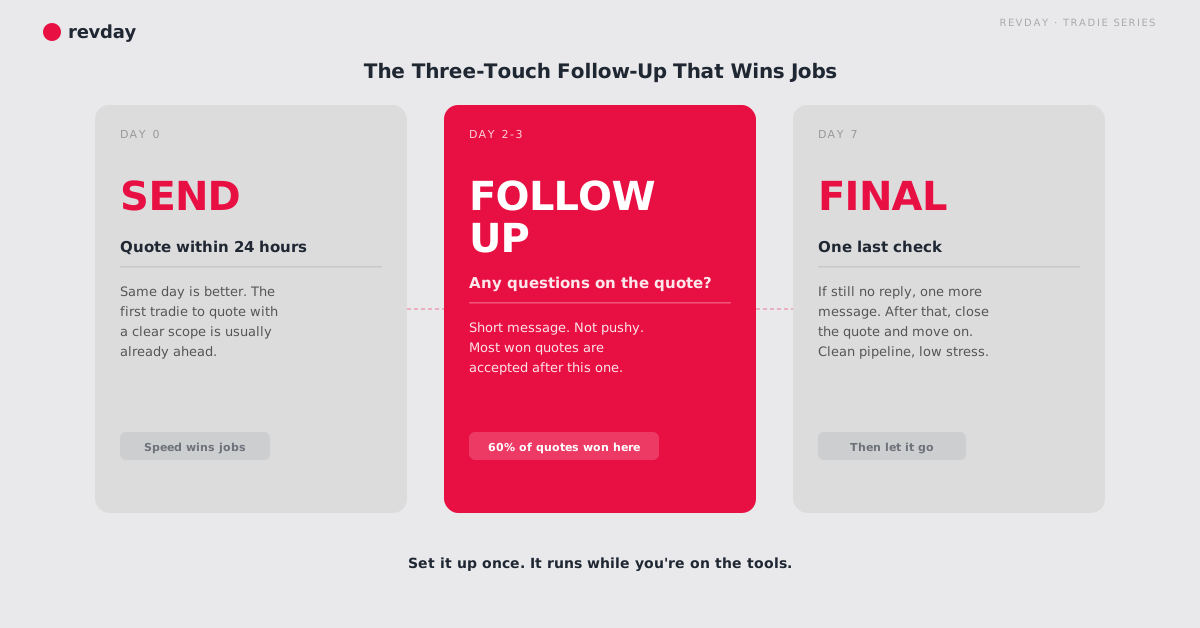
They send quotes within 24 hours of the site visit. Research consistently shows that the first tradie to send a quote has a significant advantage. Customers are often ready to move and will book the one who gets back to them first with a professional, clear quote. Every day a quote sits unsent is a day another tradie could land the job.
Australian tradies report spending five to ten hours a week on quoting admin when they're doing it manually. The ones who've sorted their quoting have templates for their most common job types, pre-loaded with standard inclusions, exclusions, and payment terms. They're not writing from scratch every time.
They follow up two to three days later. Not a chaser. Not a "just wanted to see if you'd decided." A short message: are there any questions about the quote? Is there anything you'd like to adjust? That's it. The customer either replies or they don't, but you've stayed visible and you've given them an easy way to respond.
They have a final check at day seven. One more message if there's still no reply. After that, the quote is closed and they move on. The pipeline stays clean, the mental load stays low, and there's no spiralling into multiple follow-ups that actually do start to feel pushy.
The Message That Wins Most Jobs
The day two or three follow-up doesn't need to be clever. Here's what it needs to do: remind the customer the quote exists, give them an easy way to reply, and make them feel like you're someone they'd want on the job.
Something like: "Hi [name], just following up on the quote I sent through on [day]. Happy to answer any questions or adjust anything if needed. Let me know when you're ready to go ahead."
That's thirty seconds to write. Most tradies never send it. The ones who do win a meaningful number of jobs they would otherwise have written off.
The goal isn't to pressure anyone. The goal is to stay on the shortlist while the customer is still deciding. Most of them are.
What This Looks Like When It's Set Up Properly
A properly set up quoting flow doesn't add time to your week. It saves it. Templates for common job types mean quotes go out in twenty minutes instead of ninety. Automated follow-up reminders mean nothing slips. A clear process from site visit to accepted quote means less mental load and fewer jobs lost to silence.
This is part of what gets built in the BLAST programme at revday. Not another app to figure out alone on a weekend. The quoting flow, the follow-up sequence, the templates: all built alongside you so it's working from day one.
For the bigger picture on getting consistent work coming in, read How to Get More Work as a Tradie. For a closer look at what to build once the quoting flow is sorted, read How to Get Repeat Customers as a Tradie.
Where to Start
If you're currently writing every quote from scratch and following up on memory, start with two things this week.
First, write templates for your three most common job types. Include your standard scope, exclusions, and payment terms. Keep a copy somewhere you can access from your phone.
Second, put a reminder in your calendar for every quote you send: two days out, follow up. That's it. No automation needed to start. Once the habit is in place, the automation can take over.
If you want to understand where the biggest gaps are across your whole setup, the Clarity Quiz takes three minutes and gives you a clear starting point.
Frequently Asked Questions
How fast should I send a quote after a site visit?
Within 24 hours is the target. Same day is better. The customer is most engaged right after the site visit. The longer the gap, the more likely they've moved on mentally, even if they haven't booked anyone yet. A quick message acknowledging you've done the visit and the quote is on its way keeps you in the running while you're still working on the numbers.
What if my quote is more expensive than competitors?
A higher quote can still win the job. Customers aren't purely price-driven, especially for work on their home. What they're weighing up is trust and professionalism alongside cost. A detailed, clearly explained quote from a tradie who follows up and communicates well often beats a cheaper one from someone who went quiet. Price yourself for the quality of your work, then make it easy for the customer to say yes.
How many follow-ups is too many?
Two is the right number for most jobs. Day two or three, and day seven. After that, move on. More than two follow-ups starts to create the pushy feeling you were worried about in the first place, and a customer who needs four reminders before they reply is usually not worth the chase.
Do I need quoting software to make this work?
Not to start. Templates in a notes app and a calendar reminder get you most of the way there. Software adds speed and automation once the flow is established, but the biggest gains come from the habit of following up, not from the tool you use to do it.