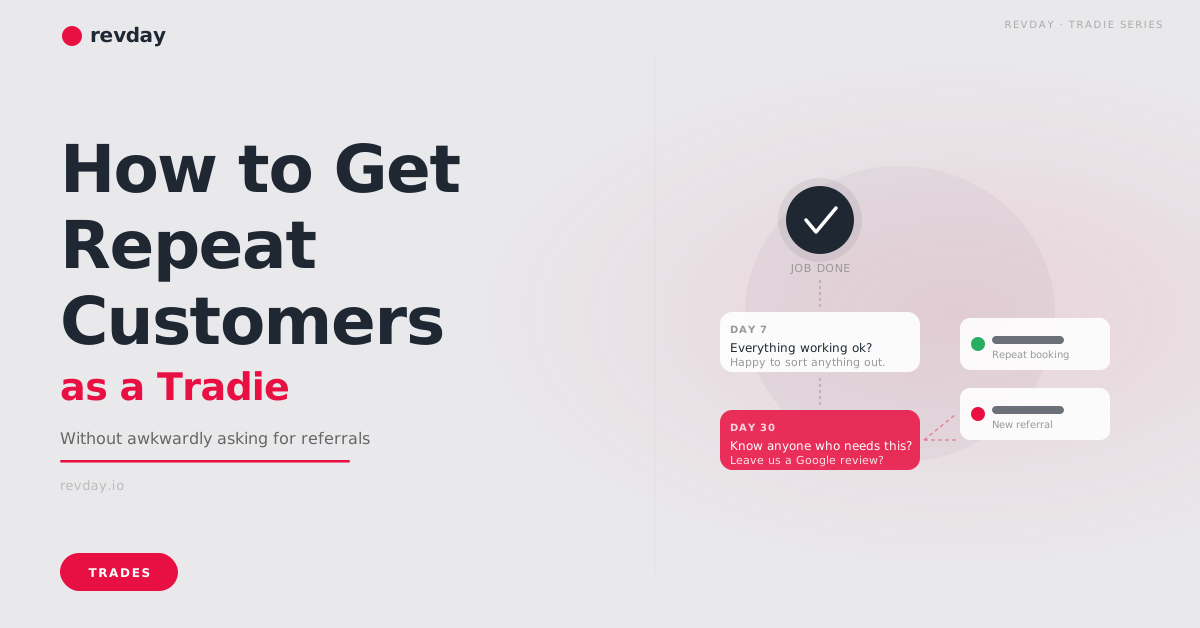
How to Get Repeat Customers as a Tradie
The job's done. The customer is happy. They tell you it looks great, you clean up, you get paid, and you move on to the next one.
Three months later their neighbour needs the same work done. Your customer thinks of you for about four seconds, can't remember your number, Googles your trade in their area, and the first name that comes up gets the job.
You didn't do anything wrong. You just weren't visible when the moment arrived.
This is how most tradie businesses run. Jobs come in, jobs get done, and the customer file goes cold. The tradie who gets the referral six months later isn't necessarily better. They're just the one who stayed in touch.
Why Repeat Business Dries Up (It's Not Your Work)
Most tradies assume that if the work was good, customers will come back and tell their mates. Sometimes they do. Often they don't, not because they were unhappy, but because they got busy and forgot you existed.
A residential customer might need your trade once every two or three years. In that window, they're not thinking about you. They don't have your number saved under anything memorable. When they do need the work done, they'll ask around or search online, and whoever comes up first gets the call.
Seventy per cent of Australian tradies rely almost entirely on word-of-mouth for new business. The problem isn't that word-of-mouth is bad. It's that most tradies treat it as something that happens on its own rather than something you can give a nudge to at the right moment.
That nudge is easier to build than most tradies expect.
What Most Tradies Do Instead
The standard approach is to do good work and hope the customer remembers. For some jobs, especially in trades like landscaping or plumbing where repeat work is more frequent, this produces a steady trickle of returning customers. For most tradie businesses, it doesn't.
The other approach is to awkwardly mention referrals at the end of the job: "If you know anyone who needs this done, send them my way." Some tradies feel uncomfortable saying it. Others say it and then have no idea whether it ever leads anywhere. Either way, there's no trigger, no timing, and no way to build on it.
The difference between a tradie who gets consistent repeat business and referrals and one who relies entirely on word of mouth coming to them is simple: one of them has something running after the job finishes. The other doesn't.
The Two-Touch Post-Job Trigger
Two messages, sent at the right times after every completed job, do the majority of the work. Neither requires a personal call. Neither feels pushy. Both produce results when they're in place and running consistently.
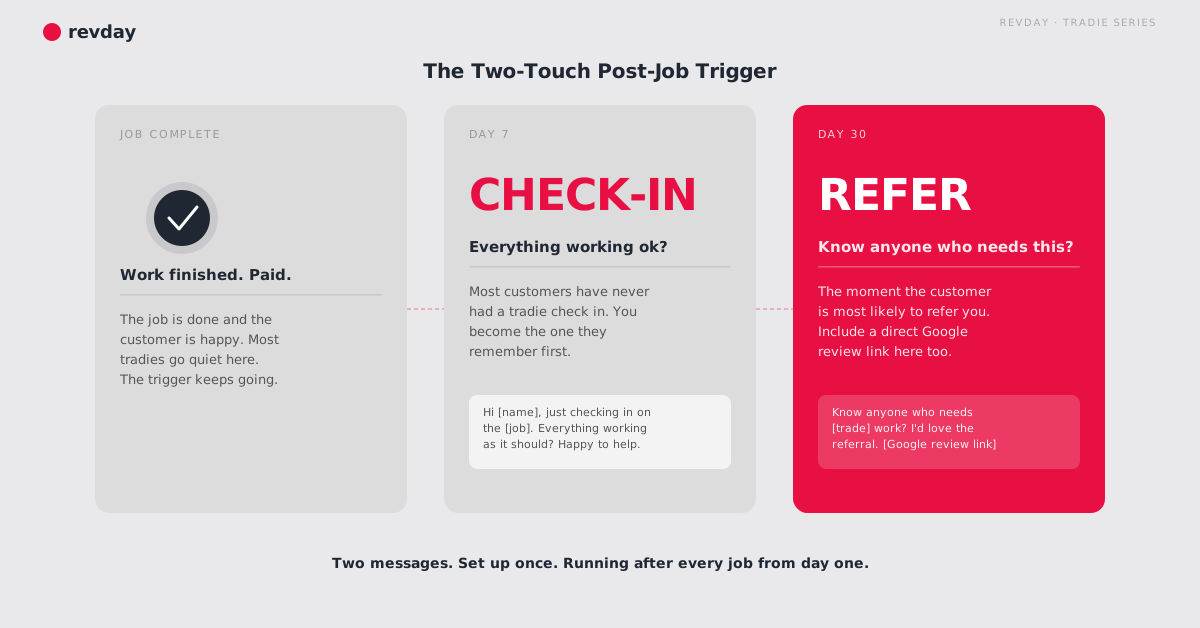
Touch one: the check-in (day five to seven)
A short message, sent about a week after the job is done, asking whether everything is working as it should and whether there's anything they need. That's the whole message.
Most customers have never had a tradie check in on them after a job. It stands out immediately. The customer who gets this message remembers you as the tradie who actually followed up. When their neighbour mentions they need the same work done three months later, you're the one they think of first.
This message also catches any small issues early, before they become a complaint. A customer who mentions something minor in a check-in message is far easier to sort out than one who's been quietly frustrated for three weeks.
Touch two: the referral ask (day thirty)
A second message, about thirty days after the job, is when to ask whether they know anyone who might need similar work done. By this point they've had time to use and appreciate the work. They're past the immediate post-job period and into the stage where the quality of what you did is just part of their daily life. That's the moment they're most likely to think of someone who could benefit from the same thing.
This message can also include a direct ask for a Google review. Customers who are happy enough to respond to the check-in message are usually happy enough to leave a review when asked directly. Google reviews compound over time and feed directly into how visible you are in local searches, as covered in more detail in Why Paying for Tradie Leads Is Costing You More Than You Think.
What These Messages Actually Say
Neither message needs to be long or clever. The tone is exactly how you'd talk to a customer on the job.
Day seven check-in:
"Hi [name], just checking in on the [job] we finished last week. Everything working as it should? Happy to sort anything out if needed."
That's it. It takes thirty seconds to write. Most customers reply within an hour.
Day thirty referral ask:
"Hi [name], hope everything's still going well with the [job]. If you know anyone who needs [trade] work done, I'd really appreciate the referral. And if you got a chance to leave a Google review, it'd mean a lot for the business. Here's the link: [Google review link]."
Two sentences and a link. The customers who liked the work almost always respond to this. The ones who are going to refer you are already thinking of someone.
What This Produces Over Time
A two-touch sequence running after every completed job doesn't produce a flood of referrals overnight. What it produces is a floor.
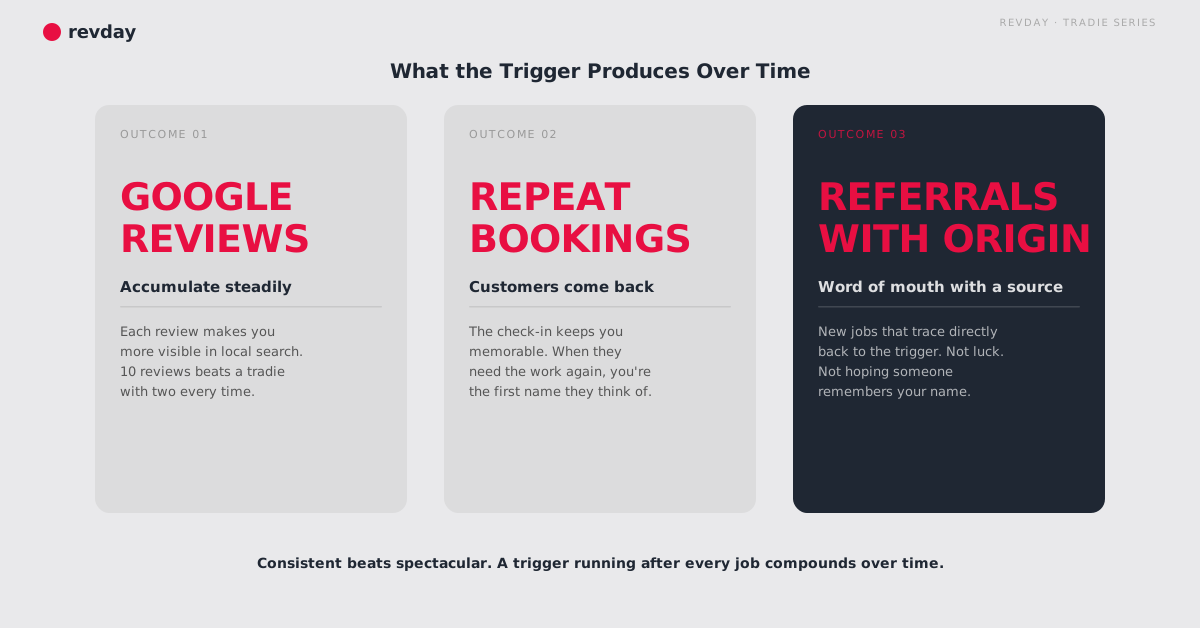
After six months of running the sequence after every job, most tradies find that Google reviews are accumulating steadily, that at least some jobs each month are coming from referrals with a clear origin, and that previous customers who haven't needed the trade for a while are occasionally getting back in touch.
None of that happens with a single ask at the end of a job. All of it happens when the trigger is in place and running.
For how this fits into the wider challenge of keeping work coming in when you're already at capacity, read How to Keep Work Coming In When You're Busy.
Where to Start
The simplest starting point is a manual version of the sequence. After every job this week, put two reminders in your calendar: one for day seven, one for day thirty. Write the same message both times. Send it. See what comes back.
Most tradies who do this for a month decide they want it automated so they don't have to remember. That's what the CSA programme at revday builds: the trigger, the messages, and the Google review request all running automatically after every job, so you're not relying on a calendar reminder that gets missed when a job runs long.
The Clarity Quiz takes three minutes and tells you whether you're at the stage where building this trigger should be the priority.
Frequently Asked Questions
What if I only do one-off jobs like kitchen renos or decking builds? Is repeat business still worth chasing?
Yes. The referral is just as valuable as the repeat booking, and often more so. A residential customer who had a kitchen renovation done doesn't need another one for years, but they know at least one person who does. The day seven check-in and the day thirty referral ask work just as well for one-off trades as they do for trades with natural repeat cycles.
Should I offer a discount to customers who refer someone?
You can, but it's rarely necessary. Most happy customers refer you because they want to help someone they know, not because of an incentive. The ask itself is usually enough. If you're going to offer something, a small thank-you after a referral results in a job is more genuine than a discount promised upfront.
How do I get more Google reviews without it feeling forced?
Ask directly and make it easy. A message with the review link included is all you need. Asking customers to "leave a review somewhere" without a direct link produces very few reviews. The link removes friction and most customers who liked the work will follow through within a day or two.
What's the difference between this and just sending marketing emails?
The post-job trigger is personal and job-specific. The customer gets a message about their specific job from the tradie who did it. That's completely different from a generic newsletter or a bulk marketing email. One feels like a natural follow-up from someone they know. The other gets ignored.